
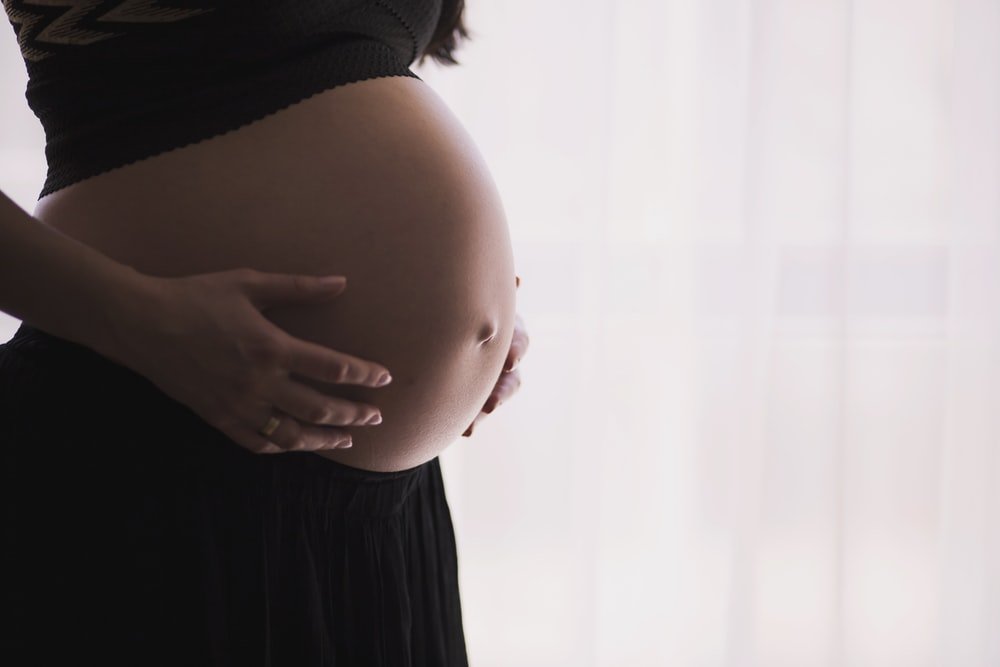
Fertility and IVF Support Acupuncture
Acupuncture is widely used as a complementary therapy for fertility issues and in support of assisted reproductive technologies such as IVF.
How acupuncture may help fertility and IVF
Improve blood flow to the reproductive organs: Needling and adjunct therapies can increase circulation to the uterus and ovaries, supporting endometrial thickness and ovarian function, which are important for ovulation, implantation, and embryo nourishment.
Support hormonal balance and menstrual regularity: Acupuncture can modulate the nervous and endocrine systems, helping regulate the hypothalamic–pituitary–ovarian axis. This can aid ovulation in conditions such as polycystic ovary syndrome (PCOS) and help restore regular cycles.
Enhance egg quality and ovarian responsiveness: Improved local circulation and reduced physiological stress may support follicular development and the ovarian response to stimulation during IVF.
Improve endometrial receptivity: Better uterine blood flow and reduced uterine tension can contribute to an environment more conducive to embryo implantation. Some studies suggest acupuncture around the time of embryo transfer may enhance implantation rates.
Reduce stress and support emotional wellbeing: Fertility treatment is physically and emotionally demanding. Acupuncture activates relaxation pathways, lowers stress hormones, and can help reduce anxiety and depressive symptoms, which may indirectly improve treatment outcomes.
Manage side effects of fertility medications and procedures: Common side effects such as nausea, headaches, insomnia, and pelvic pain can often be alleviated with targeted acupuncture and supportive therapies like electro-acupuncture or infrared therapy.
Typical treatment approach at Bridlington Acupuncture
Initial assessment: A detailed medical, reproductive, and lifestyle history is taken to identify patterns and tailor treatment plans.
Pre-IVF phase: Regular sessions in the weeks leading up to ovarian stimulation to optimize blood flow, reduce stress, and encourage hormonal balance.
During stimulation and egg retrieval: Short, targeted sessions can help manage side effects and support ovarian function.
Around embryo transfer: A common protocol includes a session within 24–48 hours before transfer and one shortly after transfer to promote relaxation and uterine receptivity.
Post-transfer and early pregnancy support: Continued, individualized sessions to support implantation and reduce early pregnancy stressors.
Timing and frequency vary by individual; typical pre-IVF preparation may involve weekly treatments for 6- 10 weeks, with additional sessions timed to IVF stages. We will create a plan that fits your fertility schedule.
Acupuncture is widely used as a complementary therapy for fertility issues and in support of assisted reproductive technologies such as IVF.
How acupuncture may help fertility and IVF
Improve blood flow to the reproductive organs: Needling and adjunct therapies can increase circulation to the uterus and ovaries, supporting endometrial thickness and ovarian function, which are important for ovulation, implantation, and embryo nourishment.
Support hormonal balance and menstrual regularity: Acupuncture can modulate the nervous and endocrine systems, helping regulate the hypothalamic–pituitary–ovarian axis. This can aid ovulation in conditions such as polycystic ovary syndrome (PCOS) and help restore regular cycles.
Enhance egg quality and ovarian responsiveness: Improved local circulation and reduced physiological stress may support follicular development and the ovarian response to stimulation during IVF.
Improve endometrial receptivity: Better uterine blood flow and reduced uterine tension can contribute to an environment more conducive to embryo implantation. Some studies suggest acupuncture around the time of embryo transfer may enhance implantation rates.
Reduce stress and support emotional wellbeing: Fertility treatment is physically and emotionally demanding. Acupuncture activates relaxation pathways, lowers stress hormones, and can help reduce anxiety and depressive symptoms, which may indirectly improve treatment outcomes.
Manage side effects of fertility medications and procedures: Common side effects such as nausea, headaches, insomnia, and pelvic pain can often be alleviated with targeted acupuncture and supportive therapies like electro-acupuncture or infrared therapy.
Typical treatment approach at Bridlington Acupuncture
Initial assessment: A detailed medical, reproductive, and lifestyle history is taken to identify patterns and tailor treatment plans.
Pre-IVF phase: Regular sessions in the weeks leading up to ovarian stimulation to optimize blood flow, reduce stress, and encourage hormonal balance.
During stimulation and egg retrieval: Short, targeted sessions can help manage side effects and support ovarian function.
Around embryo transfer: A common protocol includes a session within 24–48 hours before transfer and one shortly after transfer to promote relaxation and uterine receptivity.
Post-transfer and early pregnancy support: Continued, individualized sessions to support implantation and reduce early pregnancy stressors.
Timing and frequency vary by individual; typical pre-IVF preparation may involve weekly treatments for 6- 10 weeks, with additional sessions timed to IVF stages. We will create a plan that fits your fertility schedule.